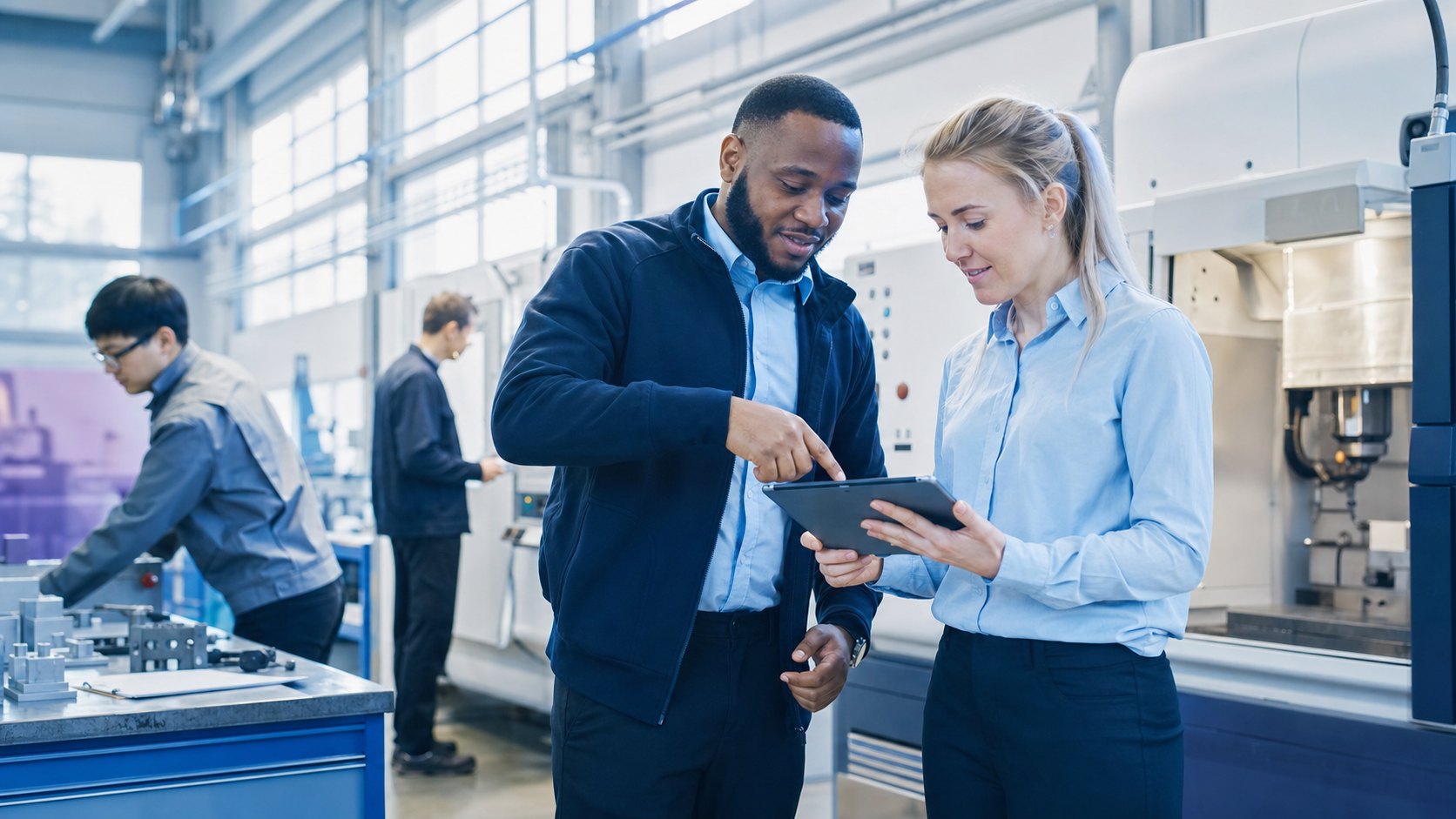
Hire the skilled trades you can't find.
UPPER is the autonomous recruiter for manufacturers and industrial employers — sourcing, scoring, and reaching passive machinists, welders, technicians, and engineers in one compliant loop, so plants stay staffed while the workforce ages out faster than it's replaced.
Quick answer
UPPER is an AI-enabled talent sourcing platform built for manufacturing. It runs multi-channel sourcing, scoring, and outreach as one loop — reaching passive machinists and technicians that job boards miss — so plants submit qualified skilled trades faster and fill roles that otherwise run 45-90+ days.
A retiring machinist, a shift with no coverage, filled before the line stopped
Illustrative scenario
A tier-two auto supplier's most experienced CNC machinist gives two weeks' notice on a Monday. The old playbook — post the req, wait for applicants, call the same three staffing agencies — routinely takes 45-90+ days for this exact role, because the qualified pool is thin and most candidates are already employed and not browsing job boards.
With UPPER, sourcing starts the moment the req opens: it builds a shortlist from a passive-talent graph, verifies CNC and safety certifications automatically, and opens compliant outreach across channels overnight. By the time HR runs its Wednesday standup, the plant manager isn't posting a job — they're interviewing two verified machinists who already responded.
Illustrative example based on UPPER's designed workflow; not a specific customer engagement.
Built for how industrial hiring actually works
Skilled trades roles are the slowest, thinnest, most retirement-exposed searches in the labor market. UPPER is designed for exactly that pressure.
A proprietary blue-collar talent graph surfaces passive, qualified skilled-trades candidates that job boards and standard sourcing tools miss entirely.
UPPER runs continuous multi-channel sourcing the moment a req opens, so recruiters spend time on final selection instead of building lists from scratch.
AI screening parses and validates certifications and licenses before a recruiter ever opens a resume — critical when candidate quality is the top sourcing pain point.
Continuous sourcing builds a bench ahead of known retirements instead of scrambling reactively once a seat is already empty.
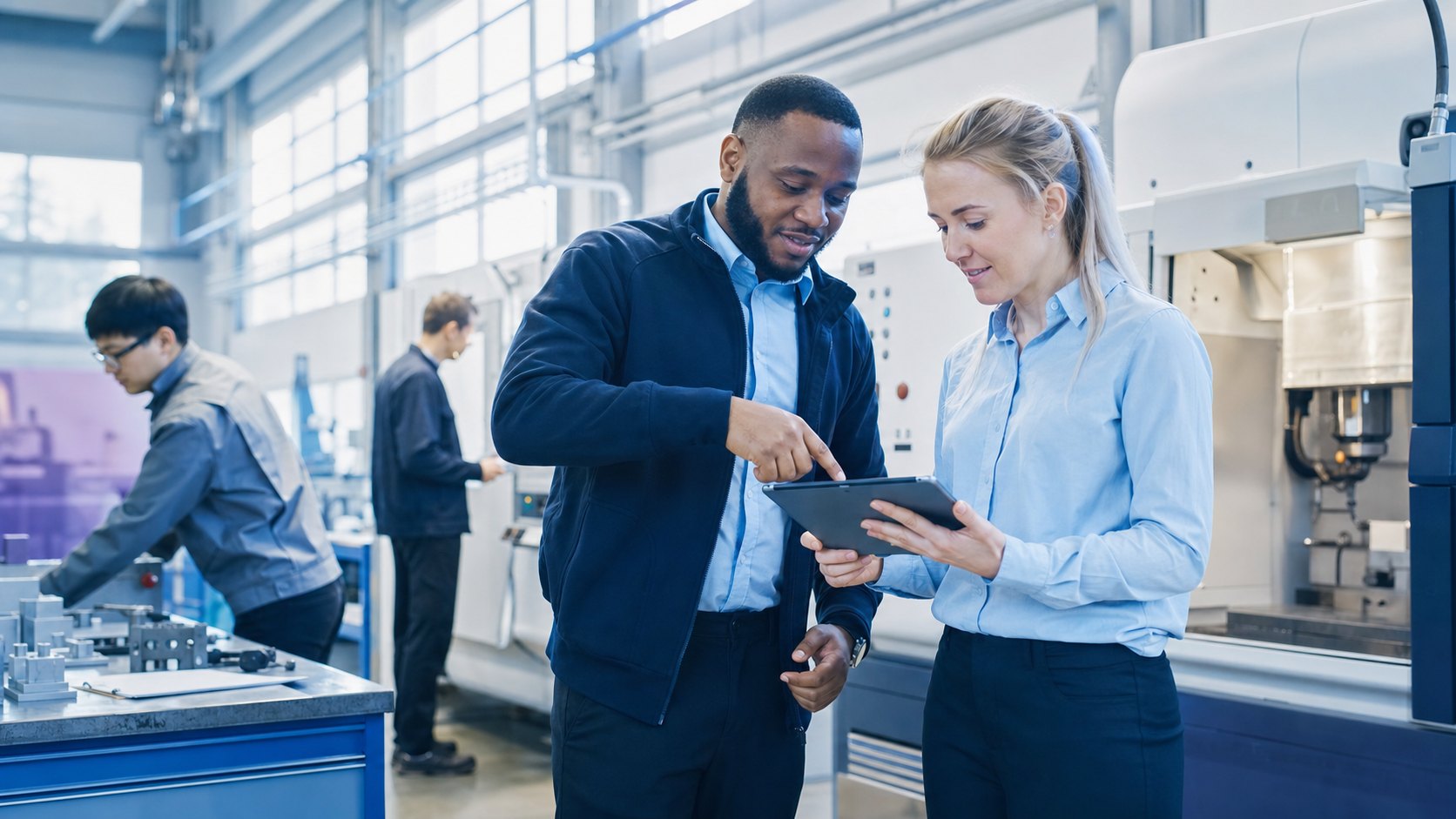
Built for the plants that can't afford an empty seat.
One autonomous loop — source, verify, reach — so lean industrial recruiting teams keep the line staffed through the retirement wave.
What speed + verified skill looks like
Illustrative outcome scenarios modeled on UPPER's workflow and the 2026 manufacturing talent data. Real customer results will be published as our beta cohort matures.
Regional industrial staffing firm
Replaced manual certification checks and cold outreach with automated skill-graph matching and verified-credential shortlists for CNC and maintenance roles.
"We stopped losing skilled-trades reqs to bigger competitors. The verified shortlist is ready before the client even follows up."
Illustrative scenario · benchmark: Forbes/Skima AI 2025Multi-plant manufacturer, HR team
Moved from reactive job-board posting to always-on passive sourcing ahead of a known retirement wave across three plants.
"We're now sourcing the replacement before the retirement notice is even filed."
Illustrative scenario · benchmark: Skima AI 2025UPPER Industry Report
The data behind the skilled-trades shortage.
A designed, cited field guide: the 1.9M-job talent gap, the aging skilled-trades workforce, the Gen Z attraction problem, and the 5-move playbook to keep plants staffed.
↓ Download the free PDFQuestions manufacturing talent teams ask
How many manufacturing jobs are at risk of going unfilled?
Up to 1.9 million of an estimated 3.8 million net-new manufacturing jobs needed between 2024 and 2033 could go unfilled if the skills and applicant gap isn't addressed, according to the Deloitte/Manufacturing Institute 2024 Talent Study. Roughly 1.9M open seats is the structural risk employers are staffing against.
Why do skilled-trades roles take so much longer to fill than general production roles?
General assemblers or forklift operators typically fill in 2-4 weeks, but skilled maintenance technicians and CNC machinists can take 45-90+ days because the qualified pool is thin — metals and fabrication roles averaged 67 days to fill in early 2025, up from 42 days in 2019. Roughly 1 in 5 skilled-trades workers is already over 55, shrinking the pipeline further.
What's the biggest hiring bottleneck for manufacturers in 2026?
65% of industrial hiring leaders cite sourcing — not screening or scheduling — as their #1 hiring bottleneck, and 88% cite a shortage of qualified candidates overall. Simply finding candidates, especially for skilled trades, is the constraint most manufacturers are fighting.
More industries we serve
Run your first wave on a real skilled-trades req.
Open one machinist or technician req and watch UPPER source, verify, and reach passive candidates automatically. First candidates in minutes — no scraping.